My Deep Dive into the Kamrui Mini PC: A Compact Powerhouse for Modern Computing
My Quest for a Smaller Footprint: Why I Chose a Kamrui Mini PC
You know, for years, I've been wrestling with bulky desktop towers. They take up so much space under my desk, and honestly, they're often overkill for what I actually need. I'm not a hardcore gamer, but I do a lot of writing, video streaming, and some light photo editing. I began to wonder: couldn't I get all that done with something much smaller? That's when I stumbled upon the world of mini PCs, and specifically, the Kamrui brand really caught my eye. I'd seen a few friends and colleagues using similar setups, and the idea of reclaiming some desk space was just incredibly appealing to me.
I mean, think about it. We're living in an era where miniaturization is key. Smartphones are more powerful than yesteryear's supercomputers, and laptops have shrunk dramatically while gaining capabilities. So why should our desktop experience be any different? My journey led me down a path of research, comparing specs, prices, and user reviews. What I consistently found was that Kamrui mini PCs kept popping up as a fantastic balance of performance, affordability, and incredibly small form factor. I was genuinely excited to get my hands on one and see if it could truly replace my aging tower.
What Exactly Is a Kamrui Mini PC, Anyway?
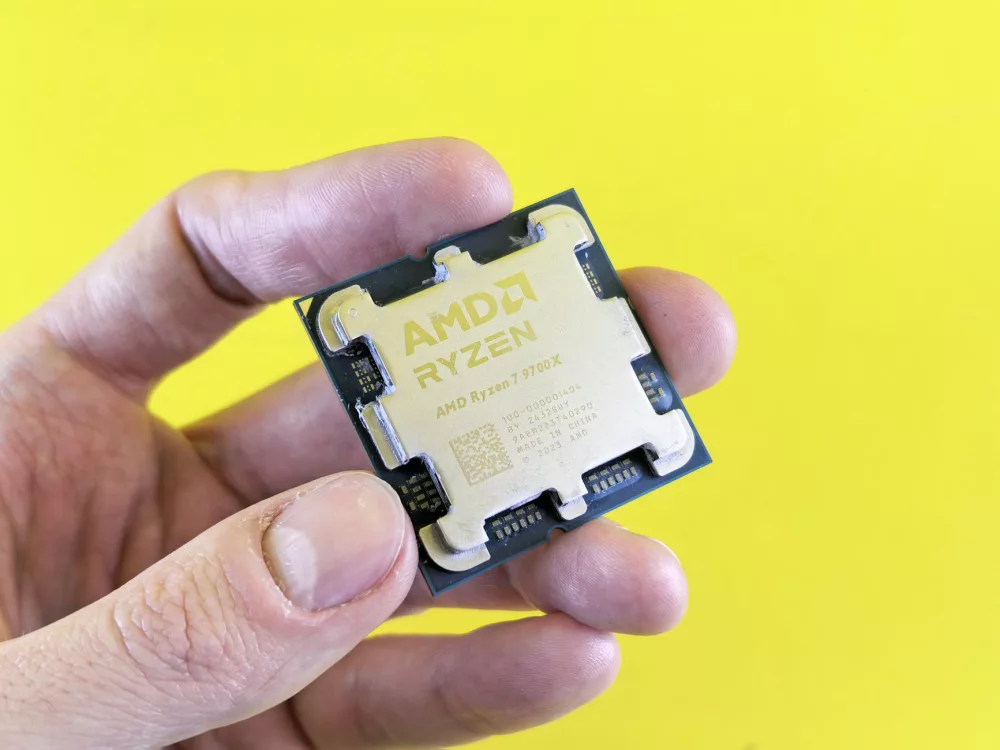
So, before we get too deep, let's clear up what we're even talking about here. A Kamrui mini PC is essentially a full-fledged computer packed into a tiny, often palm-sized, enclosure. They're designed to deliver all the functionality of a traditional desktop – running Windows or Linux, connecting to monitors, keyboards, and mice – but in a footprint that's just ridiculously small. We're talking about devices that can literally mount to the back of your monitor (using a VESA mount) or simply sit unobtrusively on your desk. They often come equipped with energy-efficient processors from Intel (like the Celeron, Pentium, or N-series) or sometimes even AMD Ryzen, offering enough grunt for most everyday tasks.
The Design and Build Quality: Small But Mighty
When my Kamrui mini PC arrived, the first thing that struck me was just how tiny the box was. I'm telling you, it was barely larger than a thick paperback book! Unboxing it, I was immediately impressed with the build quality. It felt solid, not flimsy like some budget electronics can. The casing is usually made of a durable plastic or sometimes a metallic alloy, and they often feature smart ventilation designs to keep things cool despite the compact space. For example, some models incorporate passive cooling, which means no noisy fans, which is a massive win in my book!
- Compact Footprint: This is the most obvious benefit. It frees up so much desk space. My old tower took up a massive chunk of real estate, but this little guy just tucks away neatly.
- Sleek Aesthetics: They generally have a very clean, minimalist look. They don't scream
About Editorial Team
Senior columnist and culture critic specializing in architectural designs, emerging high-growth systems, and contemporary philosophies.